Exterior painting in Dayville starts with the condition of the house, not the color chart. A durable scope should identify loose coatings, bare wood, failed caulk, moisture sources, access challenges, and any lead-safe requirements before specifying primer or finish coats.
This guide focuses on the decisions a homeowner can verify before hiring an exterior painting contractor. It does not assume that every Dayville house is historic or that every older coating contains lead.
Why Does Dayville Architecture Change the Painting Plan?
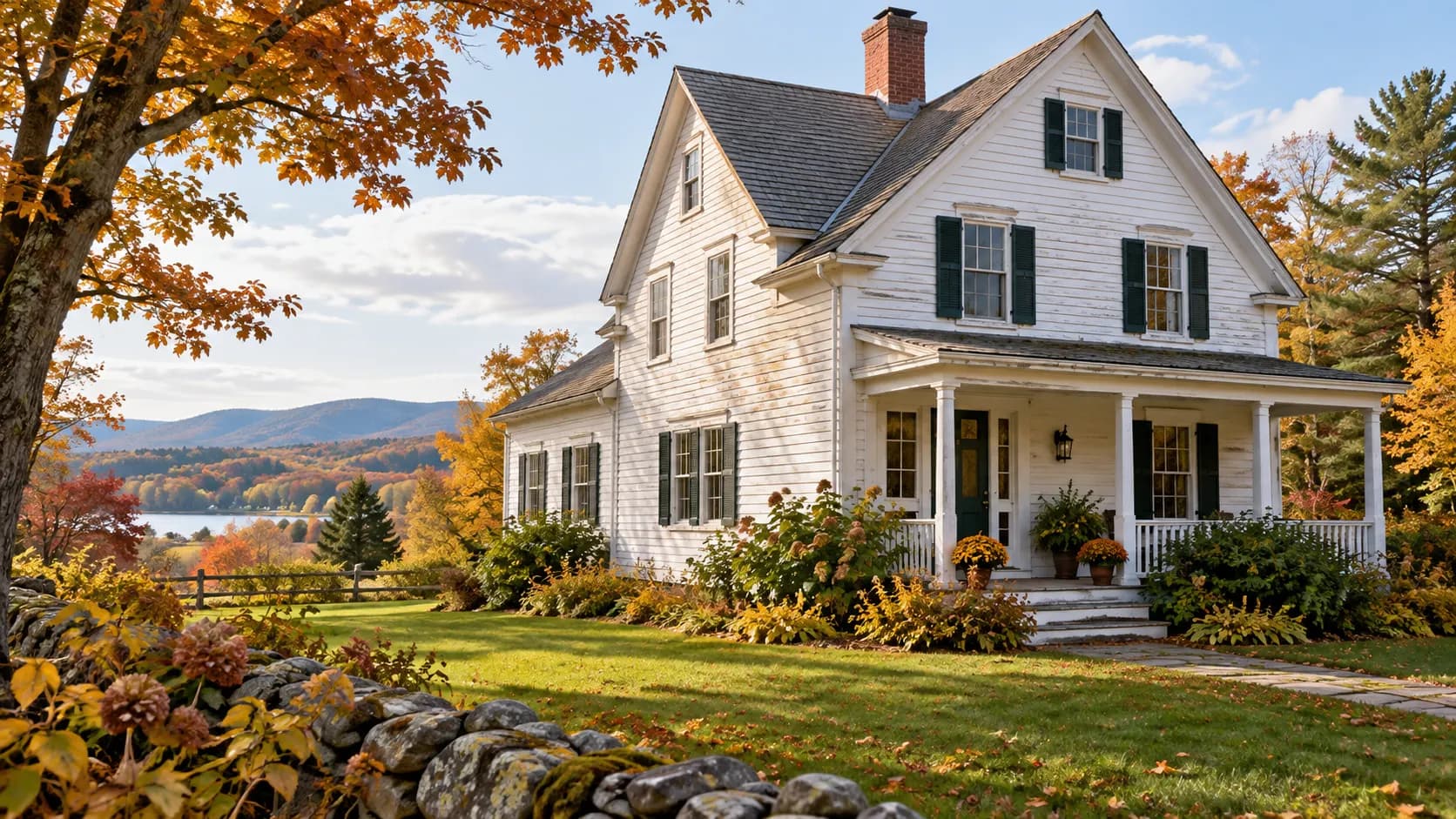
Dayville includes a documented historic residential core with wood-frame Greek Revival, Italianate, Queen Anne, and Victorian-era buildings. Those styles can include cornice returns, pilasters, brackets, porches, bay windows, and other details that require careful access and hand preparation. The National Park Service nomination for the Dayville Historic District describes the real streetscape around Main and Pleasant Streets and the architectural features found there.
That local context matters because exterior painting is rarely just a siding calculation. Trim profiles, multiple rooflines, porch components, and older window assemblies can take more preparation time than broad, flat wall areas. A newer home with factory-finished siding may need a different coating system and much less scraping.
Do not choose a contractor based on whether the company uses the word “historic.” Ask the estimator to name the substrates and components, document their condition, and explain the proposed preparation for each one.
What Should Be Inspected Before Exterior Painting?
The inspection should find conditions that paint can protect and conditions paint cannot solve. Coating over an active leak, soft wood, or trapped moisture only hides the problem temporarily.
Walk the property with the estimator and review:
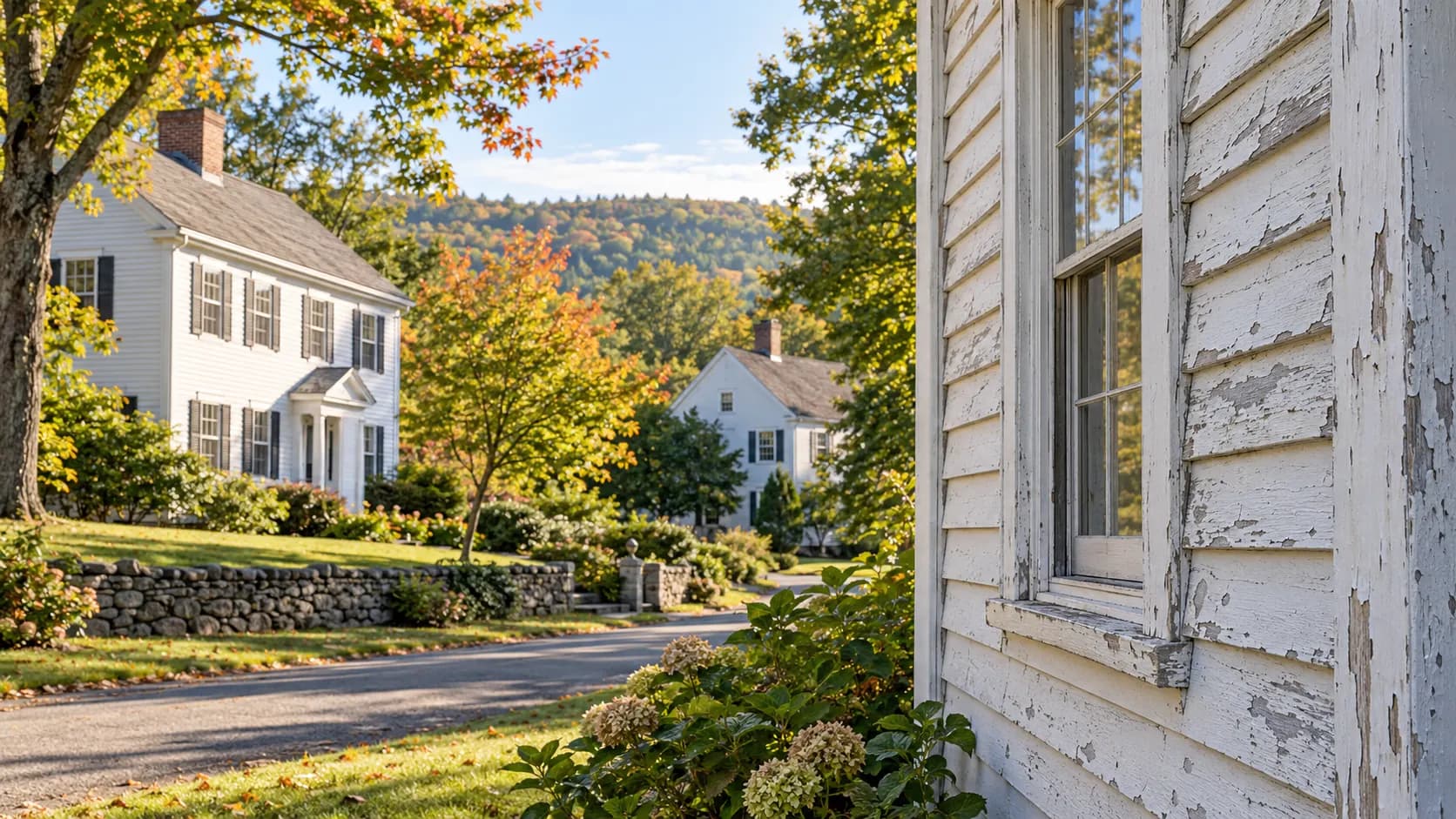
- peeling, cracking, blistering, chalking, or bare areas
- open joints and failed caulk around trim, doors, and windows
- soft or deteriorated wood that may need repair
- mildew, dirt, and vegetation touching the siding
- roof, gutter, flashing, or drainage issues that keep walls wet
- different substrates, including wood, masonry, metal, and previously coated surfaces
- high gables, steep grades, porches, and other access constraints
| Visible condition | Question for the estimate | Expected scope detail |
|---|---|---|
| Loose or peeling coating | Where will failed paint be removed? | Named elevations or components, edge preparation, and primer plan |
| Bare or weathered wood | Is the wood still sound and dry? | Repair decision, compatible primer, and finish system |
| Open joints | Which gaps should be sealed? | Caulk locations and exclusions for joints that must drain or move |
| Soft trim or siding | Who completes the carpentry? | Included repair, separate line item, unit price, or written exclusion |
| Mildew or chalking | How will the surface be cleaned? | Cleaning method, rinse, drying check, and protection |
Our guide to choosing a painter in Windham County covers the contractor questions that belong beside this surface inspection.
Which Preparation Steps Belong in the Written Scope?
Preparation should be specific enough that two estimates can be compared fairly. The exact sequence depends on the substrate and coating condition, but a complete scope commonly addresses cleaning, loose-coating removal, edge sanding, repairs, caulking, priming, masking, and site protection.
Ask these questions in writing:
- Which elevations and components are included?
- How will dirt, mildew, and chalking be removed?
- Which areas will be scraped or sanded, and how will dust be controlled?
- Are carpentry repairs included, separately priced, or excluded?
- Where will primer be applied, and what problem is it intended to solve?
- Which paint line, sheen, and finish-coat plan are included?
- How will roofs, windows, landscaping, walkways, and neighboring surfaces be protected?
- What cleanup and final walkthrough are included?
Surface preparation should stop at sound edges rather than remove intact paint without a reason. Primer should also match the actual substrate and problem. Bare wood, stains, masonry, and metal do not automatically use the same product.
If the scope includes deck rails, porch floors, or other horizontal surfaces, identify them separately. They face different wear and moisture exposure than vertical siding. Homeowners with a larger outdoor project can review the deck repair and refinishing service for related planning considerations.
When Is Lead-Safe Planning Required?
Lead-safe planning matters when paid work will disturb painted surfaces in covered housing built before 1978, unless an allowed determination shows the affected components are lead-free. The issue is the dust and debris created during preparation, not the color or brand of the new paint.
The U.S. Environmental Protection Agency explains that paid contractors performing covered renovation, repair, and painting work must be certified and use lead-safe practices. Its RRP guidance for homeowners also explains why sanding, scraping, and other disturbance require careful containment and cleanup.
For an older Dayville house, ask the estimator:
- whether the rule applies to the planned work
- what testing or documentation will be used
- how the work area and ground will be contained
- how dust and chips will be collected
- what cleanup and records the homeowner will receive
How Does Weather Affect Exterior Painting in Dayville?
The right weather window depends on the product label, surface temperature, moisture, shade, wind, and drying time, not just the daytime forecast. A warm afternoon does not guarantee that shaded siding is dry or that overnight conditions support curing.
Exterior painting should pause when the surface is wet, rain threatens the required dry period, or temperature and humidity fall outside the coating manufacturer's instructions. Morning dew can keep shaded elevations damp after sunny areas appear ready. Direct sun can create the opposite problem by heating a wall beyond the product's application range.
A weather-aware scope should explain how the crew will:
- confirm that cleaned or repaired surfaces are dry
- sequence sunny and shaded elevations
- protect uncured coatings from rain or heavy dew
- follow the selected primer and paint instructions
- communicate delays without rushing the next coat
How Should You Compare Dayville Painting Contractors?
Compare registration, insurance, scope, materials, protection, and communication before comparing the total price. A lower estimate may simply omit repairs, primer, difficult trim, or lead-safe controls that another contractor included.
Connecticut's Department of Consumer Protection registers home improvement contractors and provides a public license and registration verification portal. Verify the business name and current status directly rather than relying on a logo or a registration number printed on an estimate.
Then place the written estimates side by side. Confirm that they cover the same elevations, trim, doors, porches, repairs, primer, finish coats, protection, and cleanup. Ask each contractor to clarify exclusions and allowances in writing. A clear change-order process is especially important when hidden wood damage may appear after loose coatings are removed.
Dayville homeowners can also review the broader Killingly painting service area and our interior painting process if the project includes both sides of the building envelope.
What Should the Final Walkthrough Cover?
The final walkthrough should compare the completed work with the written scope. It is easier to resolve a missed component when both parties can point to the same list of included surfaces and repairs.
Review the house in good daylight. Check the listed siding, trim, doors, porch components, and repaired areas. Confirm that coverings and masking have been removed, paint chips and debris have been collected, and the property has been returned to the agreed condition. Ask for the product names, colors, and leftover labeled paint intended for touch-ups, if that is part of the agreement.
The walkthrough is also the time to distinguish coating appearance from substrate character. Older clapboards and trim may retain texture after sound preparation. A professional scope should define whether the goal is protection and a uniform finish or a higher level of restoration involving more extensive repair.
Frequently Asked Questions
How much does exterior painting cost in Dayville, CT?
Our exterior house painting cost guide publishes a planning range of $3,000 to $8,000 for a typical exterior, but a Dayville estimate should be based on an on-site inspection. Home size, height, siding condition, trim detail, access, repairs, primer, color change, and lead-safe requirements can all change the scope. Use the range for early budgeting, not as a quote.
Can painters coat over peeling exterior paint?
Loose paint should be removed to a sound edge before compatible primer and finish coats are applied. Painting directly over active peeling does not correct poor adhesion. The contractor should also identify moisture or substrate problems that may have caused the failure.
Does every older Dayville home have lead paint?
No. Age indicates when lead-safe rules and testing questions may be relevant, but it does not prove that a specific coating contains lead. Ask a qualified contractor how the RRP rule applies to the exact surfaces that will be disturbed.
Should carpentry repairs be part of the painting estimate?
Known repairs should be listed as included work, separate line items, unit prices, or clear exclusions. Hidden deterioration may require a written change order after preparation exposes it. Paint should not be used to conceal unsound wood.
How do I request an exterior painting estimate in Dayville?
Prepare a list of every surface you want included, point out leaks or recurring problem areas, and ask for preparation, repairs, products, coats, protection, cleanup, and exclusions in writing. You can request a free estimate from Pro House Painters or call (860) 926-3009.
Build the Project Around the Surface
The strongest Dayville exterior painting plan starts with what the house needs now. Inspect the siding and trim, resolve moisture and repair issues, address any lead-safe requirements, match the coating system to the substrate, and wait for conditions that support proper application.
When those decisions appear in a written scope, contractor comparisons become clearer and the finished coating has a better foundation. Color still matters, but preparation, safety, and timing determine whether the project begins responsibly.