Choosing a House Painter in Windham County: 7 Questions to Ask
Hiring the wrong painter is an expensive mistake. Peeling paint, skipped prep, and disappearing contractors cost homeowners far more than the job itself. In northeastern Connecticut, where many homes predate 1978 and carry lead paint under original plaster, the stakes climb higher. The right questions, asked early, protect your money and your house.
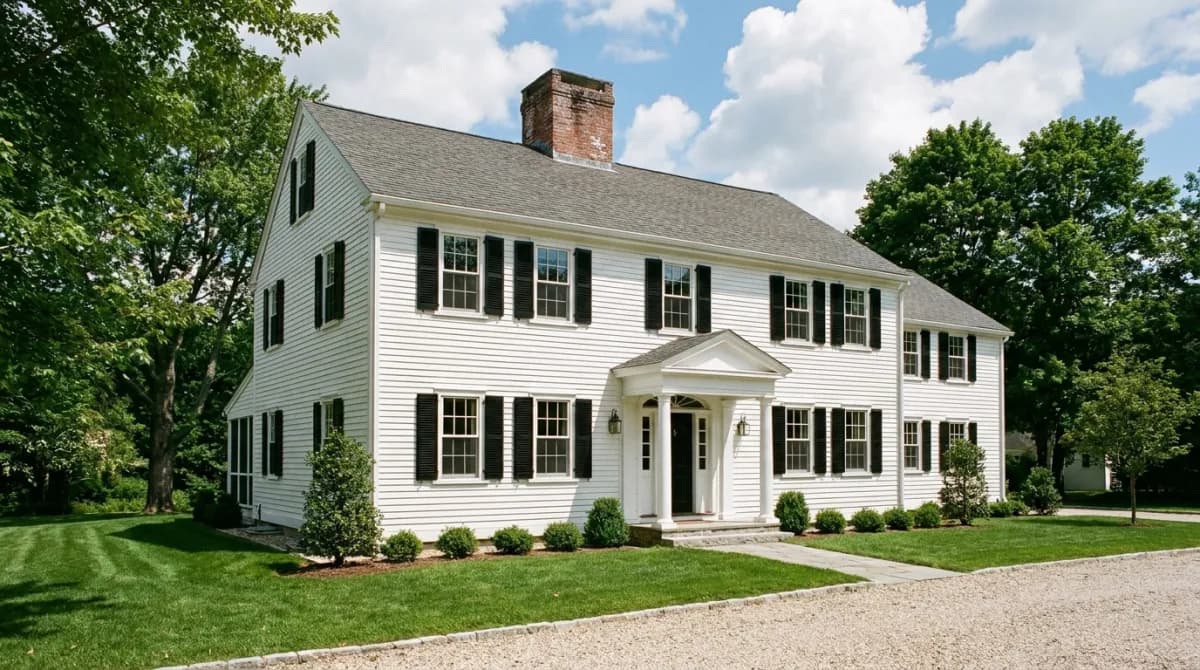
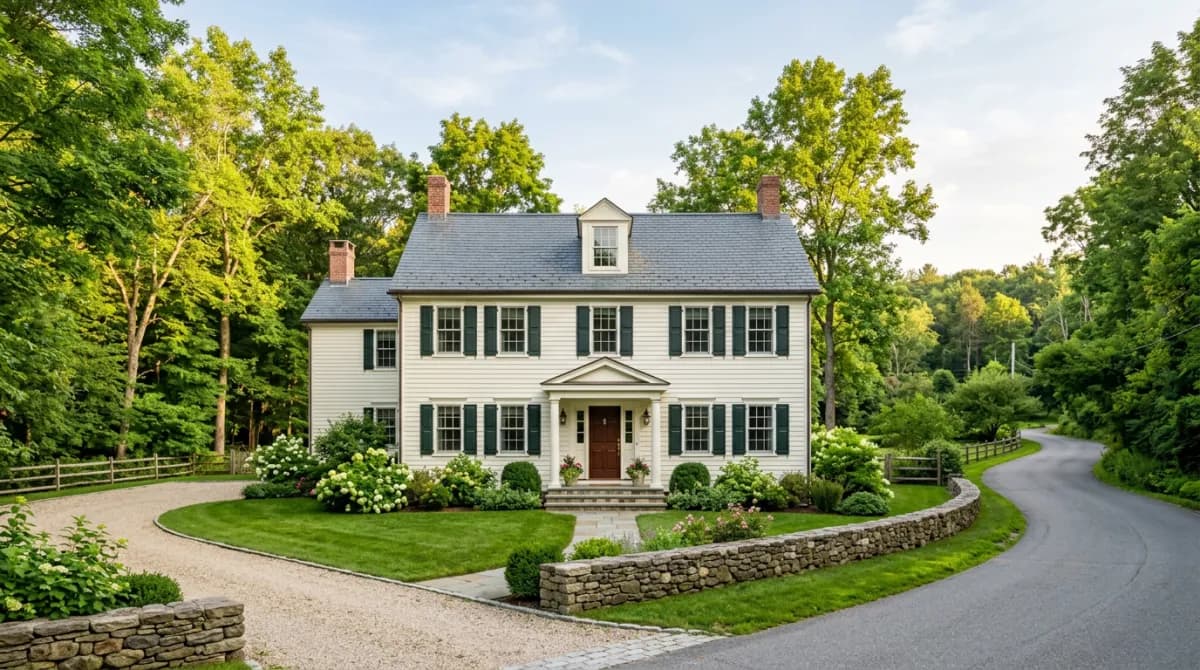
We paint Victorians, Colonials, and farmhouses across Putnam, Killingly, Danielson, Plainfield, Thompson, Woodstock, Pomfret, and Brooklyn. Over the years we've seen what separates a solid contractor from a risky one. It almost always comes down to a handful of questions homeowners forget to ask. Below are the seven that matter most, plus how a reputable painter should answer each.
Key Takeaways
- Always confirm a valid CT Home Improvement Contractor (HIC) registration and current insurance before hiring.
- Homes built before 1978 require an EPA Lead-Safe certified painter, which is the law, not a preference.
- Prep work, written itemized quotes, local references, and a clear weather plan separate professionals from the rest.
- In our experience, the cheapest bid usually skips the steps that make paint last.
Are You Registered and Insured in Connecticut?
This is the first question, every time. Connecticut requires most residential painting contractors to hold a valid Home Improvement Contractor (HIC) registration with the Department of Consumer Protection. A registered, insured painter protects you from liability if someone gets hurt or your property gets damaged. No registration, no deal.
Ask for two things: the contractor's HIC registration and proof of current liability and workers' compensation insurance. A professional will hand these over without hesitation. If a painter gets defensive or vague, treat that as your answer.
Here's why this matters in real terms. If an uninsured worker falls off a ladder on your property, you could be on the hook. If a contractor isn't registered, you also lose access to Connecticut's Home Improvement Guaranty Fund, which helps homeowners recover losses from bad actors. That safety net only exists when the painter plays by the rules.
We've found that contractors who cut corners on registration tend to cut corners everywhere else, too. Paperwork discipline is a tell.
Are You EPA Lead-Safe Certified for Older Homes?
If your home was built before 1978, this question is non-negotiable. Federal law requires contractors who disturb painted surfaces in pre-1978 homes to be EPA Lead-Safe certified. Windham County is full of these houses, so any local painter worth hiring should already hold this certification and use lead-safe work practices.
Lead paint becomes dangerous when sanding, scraping, or prep kicks up dust. A certified painter contains the work area, uses HEPA filtration, and cleans up properly. This protects your family, especially young children, from lead exposure that can cause lasting harm.
Ask directly: "Are you EPA Lead-Safe certified, and how do you handle lead paint during prep?" A good contractor will explain their containment process in plain language. If they shrug it off or claim it doesn't apply to a 1900s farmhouse, walk away.
On older homes around Pomfret and Woodstock, we routinely find original lead layers beneath decades of repainting. Skipping safe practices isn't just illegal, it puts people at risk. The same care applies whether we're doing interior painting or full exterior painting.
How Do You Handle Surface Prep and Plaster Repair?
Prep is where good paint jobs are won or lost. A quality finish depends far more on preparation than on the paint itself. Ask any painter to walk you through their prep process, and pay close attention. Vague answers usually mean rushed work and a finish that fails within a couple of seasons.
For Windham County's older homes, prep often includes more than a quick scrape and sand. Original plaster walls crack, settle, and need patching. Trim may have failing caulk. Exterior wood can carry rot or peeling layers built up over a century.
A thorough painter should describe steps like these:
- Washing surfaces to remove dirt, mildew, and chalking
- Scraping and sanding loose or peeling paint
- Repairing cracked plaster and filling holes
- Re-caulking gaps around trim and windows
- Priming bare wood, patches, and stained areas
Ask specifically about plaster. Older homes rarely have modern drywall, and plaster repair takes a different touch. A painter who understands lath-and-plaster will give you a far better result than one who only knows new construction.
What Paint Products Do You Use and How Many Coats?
Product quality and coat count directly affect how long your paint lasts. Premium paints from brands like benjaminmoore.com hold color and resist weather better than budget lines, especially through harsh New England winters. Always ask what specific products a painter uses and how many coats are included in the price.
The standard answer should be two coats over primed surfaces, not one coat stretched thin. One-coat jobs look fine on day one and disappoint by year two. Get the coat count in writing so there's no debate later.
Also ask about the finish. Different surfaces call for different sheens: flat or matte for ceilings, eggshell or satin for walls, semi-gloss for trim and doors. A knowledgeable painter will recommend the right product for each surface and explain why. This expertise also matters for specialty work like cabinet refinishing or liquid wallpaper, where the wrong product fails fast.
In our experience, the gap between a five-year paint job and a fifteen-year one rarely comes down to the paint brand alone. It's prep plus correct product plus full coats, working together.
Do You Provide a Written, Itemized Quote?
A handshake and a round number aren't enough. A professional painter provides a written, itemized quote that breaks down labor, materials, prep, and scope. This protects both sides and gives you a clear basis for comparing bids. Verbal estimates lead to disputes and surprise charges.
Your quote should clearly state what's included: which rooms or surfaces, how much prep, how many coats, which products, and the timeline. It should also note what's excluded, so there are no gray areas.
Watch for bids that come in dramatically lower than the rest. A rock-bottom price usually means skipped prep, single coats, cheaper paint, or an uninsured crew. Cheap now often means repainting sooner, which costs more over time.
Connecticut law also expects home improvement work to be backed by a written contract for larger jobs. A detailed quote is the foundation of that agreement. If a painter resists putting things in writing, that resistance tells you everything.
Can You Share Local References and Recent Jobs Nearby?
A painter rooted in the area should have local proof. Ask for references and recent jobs near your town, whether that's Killingly, Danielson, Plainfield, or Thompson. Established local contractors can point to homes they've painted nearby, and many will let you drive by to see the work in person.
Local references do double duty. They confirm the painter does quality work, and they show the contractor isn't here today and gone tomorrow. A painter with deep roots in Windham County has a reputation to protect.
When you call a reference, ask a few pointed questions:
1. Did the crew show up on time and finish on schedule?
We've found that homeowners trust their neighbors more than any review site, and rightly so. Seeing a freshly painted Colonial down the road beats any sales pitch.
What Is Your Timeline and Weather Contingency?
Weather runs the schedule in New England, so ask how a painter plans around it. Exterior painting depends on temperature and humidity, and rushing paint onto a cold or damp surface causes peeling and poor adhesion. A seasoned local painter builds weather contingencies into the timeline instead of forcing the work.
Ask for a realistic start and finish window, and ask what happens if it rains for three days straight. The honest answer is that exterior work may pause. That flexibility is a sign of professionalism, not disorganization.
For interior work, weather matters less, which is why many Windham County homeowners schedule indoor projects for late fall and winter. If your exterior job gets weathered out, a good contractor may suggest shifting to inside rooms until conditions improve.
Timing expectations should also be realistic. A full exterior repaint on a large Victorian takes longer than a single bedroom. Beware anyone promising to blast through a big job in a day or two. Quality prep and proper drying between coats simply take time.
How Pro House Painters Answers These Questions
We built our business around exactly these seven questions. We carry a valid CT HIC registration and full insurance, and we're EPA Lead-Safe certified for the many pre-1978 homes across northeastern Connecticut. We treat older plaster and historic trim with the care they need, not a one-size-fits-all approach.
Every project starts with a written, itemized quote covering prep, products, coats, and timeline. We use quality paints, apply full coats, and plan around New England weather instead of fighting it. And because we're local, we can share recent work near you, whether you're considering interior painting in Putnam or an exterior refresh.
The best advice we can give? Ask every painter these questions, including us. The right contractor will welcome them.
Frequently Asked Questions
Do all painters in Connecticut need to be registered?
Most residential painting contractors in Connecticut must hold a valid Home Improvement Contractor (HIC) registration with the Department of Consumer Protection. Registration also gives homeowners access to the state's Home Improvement Guaranty Fund. Always verify registration and current insurance before signing any contract or paying a deposit.
Why does EPA Lead-Safe certification matter for my older home?
If your home was built before 1978, federal law requires an EPA Lead-Safe certified contractor for work that disturbs painted surfaces. Many Windham County homes predate 1978 and contain lead paint. Certified painters contain dust and clean up safely, protecting your family from lead exposure during prep.
How many coats of paint should a quality job include?
A quality job typically includes two coats over properly primed surfaces, not a single thin coat. Two full coats deliver even color, better coverage, and longer durability through New England winters. Always confirm the coat count in your written quote so expectations are clear before work begins.
When is the best time to paint a house in Windham County?
Exterior painting works best in late spring through early fall, when temperatures and humidity stay in the proper range. Interior painting can happen year-round, so many homeowners schedule indoor projects for late fall and winter. A local painter will plan the timeline around New England's weather.
The Bottom Line
Choosing a painter in Windham County comes down to asking the right questions before any work starts. Confirm CT HIC registration and insurance. Demand EPA Lead-Safe certification for older homes. Dig into prep, plaster repair, products, and coat counts. Insist on a written, itemized quote, check local references, and get a realistic timeline with a weather plan.
These seven questions filter out the risky contractors fast. A true professional will answer each one openly, because doing the job right is exactly how they earned their reputation in the first place. Your home deserves that standard. If you're planning a project anywhere across Putnam, Killingly, Plainfield, Woodstock, or Thompson, start by asking, then hire with confidence.