Painting Historic Homes in Woodstock & Pomfret, CT: A Local Guide
Painting a 200-year-old farmhouse is nothing like painting a new build. The plaster moves, the siding has soaked up a century of weather, and the trim was milled by hand. In our experience on Woodstock and Pomfret estates, the paint is the easy part. The prep, the patience, and the respect for original materials are what separate a finish that lasts from one that peels in two winters.
This guide walks through what historic and estate homes in these two rural Windham County towns actually need, inside and out. If you own a Colonial near Roseland Cottage or a farmhouse off Mashamoquet, this is written for you.
Why Do Historic Homes Need a Different Approach?
Older homes were built with materials that breathe and shift. Lime plaster, true-dimension wood siding, and hand-planed trim all behave differently than drywall and engineered lumber. Trap moisture behind the wrong coating and you get bubbling, peeling, and rot. The right approach works with the house, not against it.
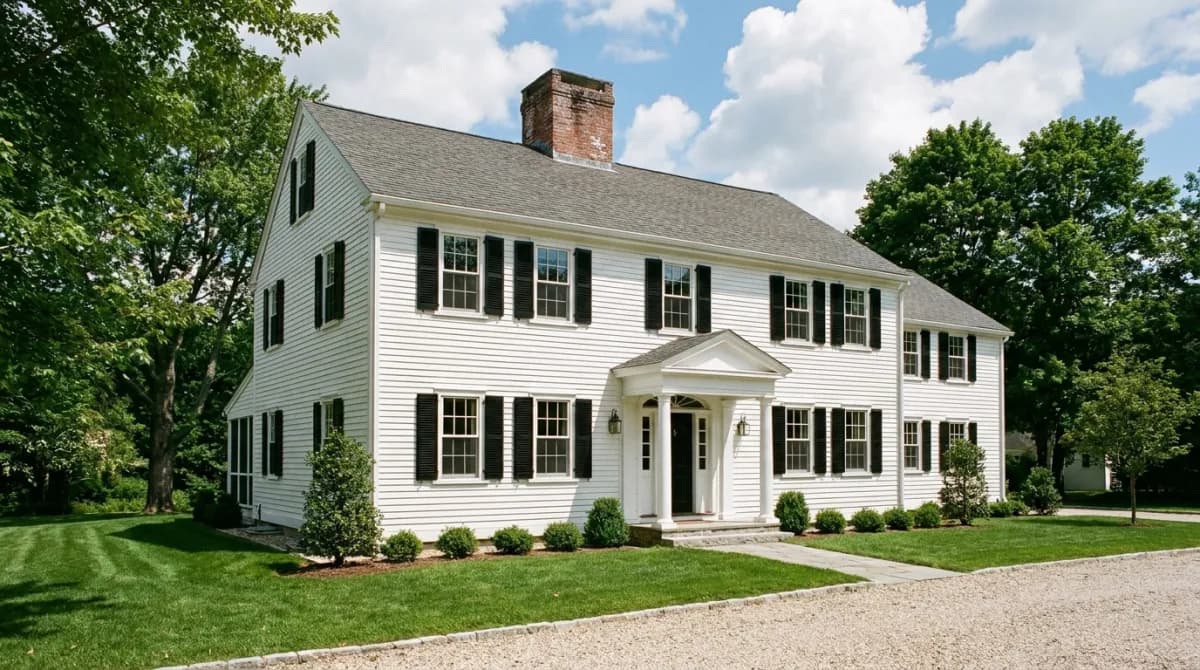
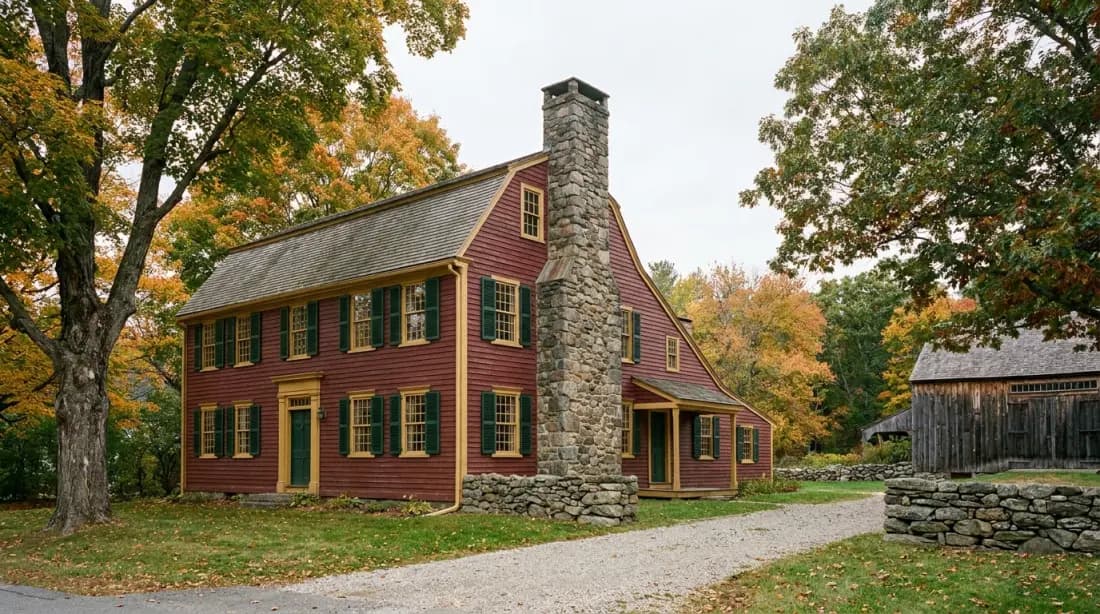
Woodstock and Pomfret have an unusually high concentration of these homes. Drive through North Woodstock or Pomfret Center and you pass farmhouses, Colonial mansions, and estate properties that predate the Civil War. Many sit in areas where historic preservation matters to neighbors and town character.
Here is the core problem. Modern film-forming paints seal a surface tight. That is great on a new house. On an old one, it traps the moisture the building has always shed naturally. So we choose products and methods that let the structure keep breathing.
A few principles guide every historic job we take on:
- Match the breathability of the original system, not just the color
- Repair the substrate first, then paint, never the reverse
- Hand-brush period details that rollers and sprayers cannot honor
- Plan for the freeze-thaw cycles that batter Windham County siding
What Does Interior Work Involve on a Period Home?
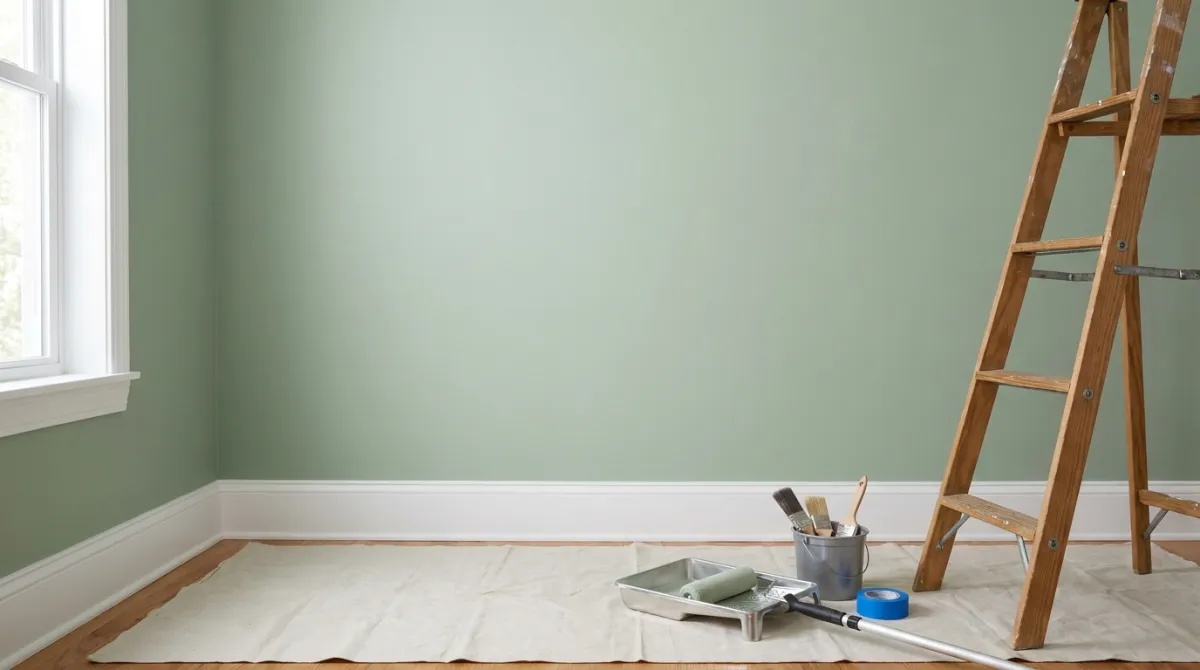
Interior painting on a historic home starts with the plaster, not the paint. Old lime and horsehair plaster cracks, delaminates from the lath, and develops a chalky surface that rejects modern coatings. We stabilize and repair it first, then prime correctly, then build a finish worthy of the room.
Repairing and Stabilizing Old Plaster
Cracks in old plaster are not just cosmetic. A hairline crack often signals movement or a section pulling away from the wood lath behind it. We re-anchor loose plaster, fill with compatible patching compounds, and feather repairs so the wall reads flat under raking light. Skip this and your fresh paint telegraphs every flaw by the first sunny afternoon.
Enameling Period Trim and Doors
The trim is where old houses earn their character. Wide baseboards, fluted casings, paneled doors, and original mantels deserve a hand-brushed enamel that flows out smooth and shows off the profile. We sand, de-gloss, prime bare and glossy spots, and brush rather than spray so the millwork keeps its hand-built feel. For a Colonial dining room in Pomfret, that finish is the whole point.
Choosing Low-VOC and Breathable Finishes
Families live in these rooms, often with kids and pets and antique furnishings. We lean on low-VOC interior products from lines like benjaminmoore.com and sherwin-williams.com so the air clears fast and the smell does not linger. Where a wall needs texture or a designer touch, finishes such as liquid wallpaper give a soft, seamless look without the seams and adhesive of traditional paper. Homeowners weighing options for interior painting in Pomfret usually want both period accuracy and a healthy room.
How Should Exterior Painting Handle Old Wood Siding?
Exterior work on historic homes lives or dies on prep. Original wood siding has decades of paint layers, weathered checking, and spots of failed adhesion. We scrape every loose edge back to firm paint, repair glazing and trim, then prime bare wood with a penetrating primer before any topcoat goes on. Rushing this guarantees early failure.
Scraping to a Firm Edge
You cannot paint over peeling paint and expect it to hold. We scrape and sand each failing area down to a sound, firmly bonded edge, then feather the transition so the repair disappears under the new coat. On an estate home with hundreds of feet of clapboard, this is slow, deliberate work. There is no shortcut that does not show up later.
Repairing Glazing and Wood Trim
Old single-pane windows and elaborate trim need attention before paint. Cracked or missing glazing putty lets water in and rots the sash from below. We re-glaze, fill checks and small rot pockets, and rebuild trim profiles where needed so the paint has a sound surface to protect. A house near Roseland Cottage deserves windows that look right and shed water properly.
Primers and Topcoats Built for Freeze-Thaw
Windham County weather is brutal on paint. Wet falls, hard freezes, and spring thaws expand and contract the wood constantly. We use penetrating primers that grip weathered wood and flexible acrylic topcoats that move with the siding instead of cracking. That combination is what keeps a finish intact through New England winters. Owners planning exterior painting in Woodstock should expect a multi-day prep phase before the first drop of color.
What Should You Expect on Cost and Timeline?
Historic homes cost more and take longer than standard repaints, and any honest contractor will tell you so upfront. The variable is almost always prep. In our experience on Woodstock and Pomfret estates, a heavily weathered farmhouse exterior can need days of scraping and repair before painting even begins. That labor, not the paint, drives the number.
We do not quote a one-size price, because no two old homes are alike. A tight, well-maintained Colonial in Pomfret Center is a different job than a long-neglected estate property in Woodstock Valley. What we can promise is a clear, itemized estimate after we walk the property and see the real condition of the siding, trim, and plaster.
A realistic timeline mindset for these homes:
1. Inspection and detailed estimate, with the prep scope spelled out
If you also own property in nearby towns, the same standards carry over to exterior painting in Eastford and across the rest of our service area in interior painting in Putnam.
Frequently Asked Questions
Do you handle homes with possible lead paint?
Homes built before 1978 may contain lead paint, which is common across Woodstock and Pomfret. We follow lead-safe work practices to contain and clean up dust during scraping and sanding. We will discuss testing and safe-handling steps with you before any disturbance of old coatings begins.
Why hand-brush trim instead of spraying everything?
Spraying is fast, but it flattens the character of period millwork and risks overspray on historic surfaces. Hand-brushing lays a richer film that follows the profile of fluted casings and paneled doors. On historic and estate homes, that craftsmanship is exactly what owners are paying for and what the house deserves.
Can old plaster walls be saved, or should they be replaced?
In most cases old plaster can be repaired rather than torn out. We re-anchor loose sections, fill cracks with compatible compounds, and skim-coat to a flat surface. Full replacement is a last resort, since original plaster contributes to both the acoustics and the authentic feel of a period room.
How long should an exterior paint job last on a historic home?
With proper prep, breathable primers, and flexible acrylic topcoats, a quality exterior repaint on a well-maintained historic home should hold for many years before needing attention. Freeze-thaw exposure, sun orientation, and how much moisture the wood sees all affect that lifespan in rural Windham County.
The Bottom Line for Owners of Historic Homes
Historic and estate homes in Woodstock and Pomfret are worth the extra care. The plaster, period trim, and original wood siding that give these houses their soul also demand patient prep, the right breathable products, and hands that know how to hand-brush a casing. Cut corners and you pay for it in two winters.
We specialize in exactly these homes, the farmhouses off Mashamoquet, the Colonials near Roseland Cottage, the estates tucked into Woodstock Valley. If you own one, start with a walkthrough and an honest estimate that spells out the prep scope. Then let the craftsmanship do its slow, lasting work. Reach out when you are ready to talk through your project.