# Interior Painting in Plainfield, CT: Cost & Prep
Interior painting in Plainfield, CT generally costs $2-$6 per square foot based on the pricing published on our site. A standard room is commonly budgeted at $300-$750, while a complete 2,000-square-foot interior can range from $4,000-$12,000. Those figures are planning ranges, not a quote. Wall condition, ceilings, trim, repairs, access, colors, and the rooms included determine the written estimate.
This guide explains the scope behind those numbers. It also covers preparation, lead-safe questions for older homes, the order of work, and how to compare proposals without assuming that every painter includes the same tasks.
Key Takeaways
- Published planning ranges are $2-$6 per square foot, $300-$750 for a standard room, and $4,000-$12,000 for a 2,000-square-foot full interior.
- A complete scope should identify protection, repairs, primer, finish coats, trim, ceilings, cleanup, and the final walkthrough.
- Older or previously altered surfaces may need more preparation, but the condition must be checked in person.
- If painted surfaces may date from before 1978, ask how the contractor will determine whether EPA lead-safe requirements apply.
What does a professional interior painting project actually include?
A full interior painting project covers more than applying color. The estimate should state which walls, ceilings, doors, windows, baseboards, closets, and built-ins are included. It should also describe surface repairs, protection, primer, finish products, coat plan, cleanup, and exclusions.
The work normally moves through five stages:
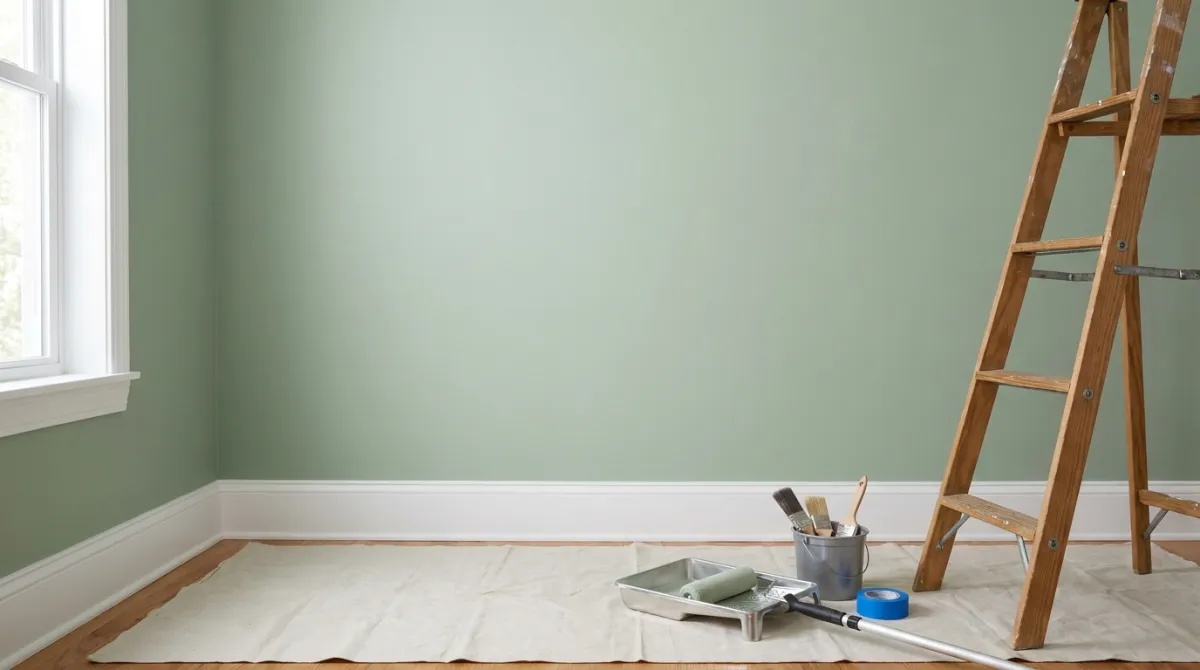
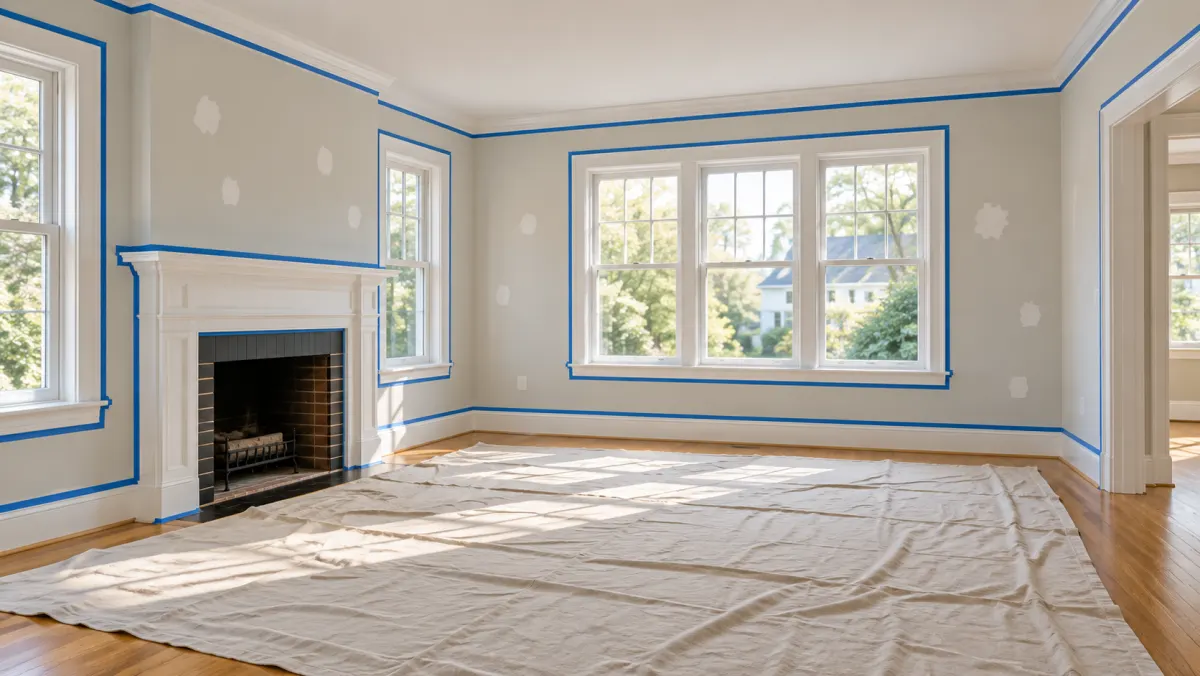
- Protection: identify access routes, move or cover furniture, protect floors, and isolate the active work area.
- Preparation: clean surfaces, patch holes, repair approved cracks, sand rough edges, and remove loose material.
- Primer: use the appropriate primer on bare material, repairs, stains, glossy surfaces, or major color changes when the product system calls for it.
- Finish coats: apply the specified paint to the surfaces and in the sheen listed in the estimate.
- Cleanup and walkthrough: remove protection, label remaining paint when applicable, complete touchups, and review the finished scope.
How long does an interior paint job take in Plainfield?
Our published service guidance estimates one to two days for many single rooms and three to five days for a typical three-bedroom home, depending on preparation and scope. Drying time, repairs, trim detail, ceiling height, occupancy, and the number of colors can extend the schedule. The proposal should give a project-specific sequence rather than treating the general range as a promise.
What slows a project down
Several things stretch a timeline, and they're worth knowing before you book:
- Plaster or drywall repair that needs drying time between patching, sanding, and priming.
- Deep color changes, like covering dark walls with a pale tone, which may need an extra coat.
- Detailed trim, crown molding, doors, windows, and built-ins.
- Product drying and recoat requirements, especially when indoor humidity is high.
What keeps it on schedule
Confirm colors, sheen, and included surfaces before work starts. Remove small objects, wall hangings, valuables, and fragile items. Ask who will move heavy furniture and whether closets or built-ins must be emptied. These decisions reduce interruptions and make the schedule easier to follow.
Why do older Plainfield homes need extra prep?
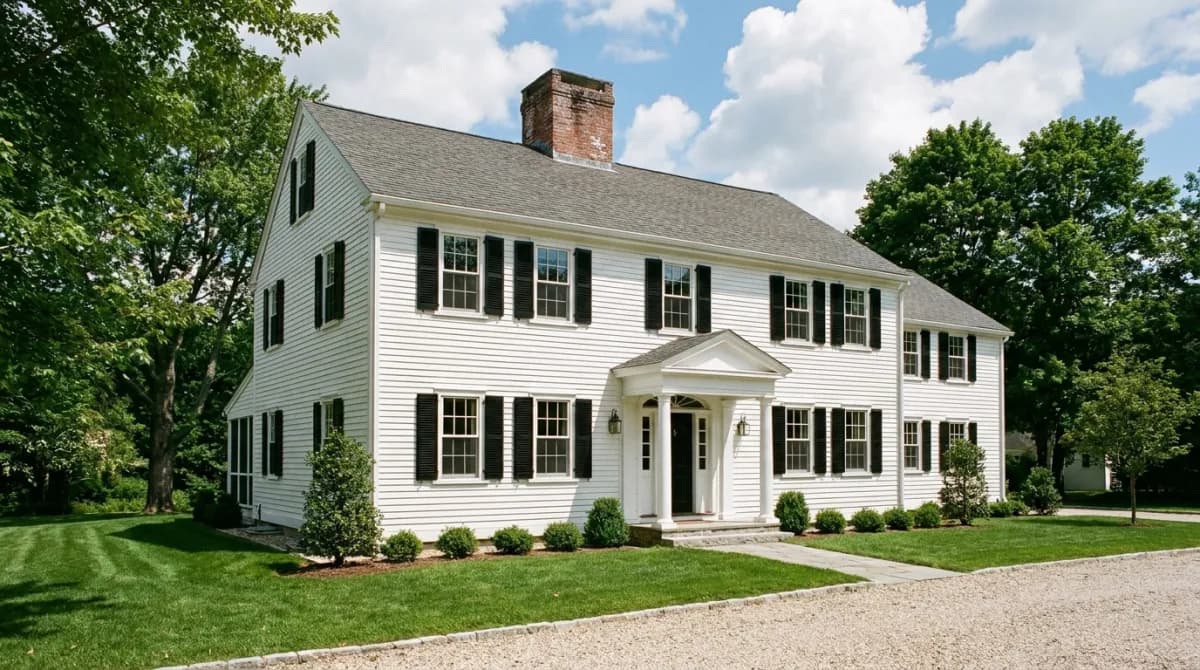
Older Plainfield homes may contain plaster, multiple coating layers, repaired drywall, wallpaper adhesive, stained ceilings, or glossy trim. The age or architectural style alone does not prove which conditions are present. The painter should inspect each surface and distinguish routine preparation from repairs that change the scope.
Plaster and drywall require different repair methods. Hairline cracks, loose material, water stains, and previous patches should be diagnosed before they are covered. A recurring stain also needs its moisture source corrected and the surface allowed to dry before stain-blocking primer and finish paint are considered.
For homes that may have coatings from before 1978, discuss lead-safe planning before sanding or scraping. The EPA says its Renovation, Repair and Painting rule applies to paid work that disturbs painted surfaces in covered pre-1978 housing and child-occupied facilities. Review the EPA Renovation, Repair and Painting Program and ask the contractor how the rule applies to the proposed work.
How much does interior painting cost in Plainfield, CT?
Use the ranges below as a first-pass budget. They come from the pricing already published on our interior painting service page. An on-site review is still needed because two homes with the same floor area can have different wall area, trim, ceiling height, repairs, and access.
| Planning unit | Published range | What can change it |
|---|---|---|
| Interior area | $2-$6 per sq. ft. | Included surfaces, prep, trim, ceilings, access, and paint system |
| Standard room | $300-$750 | Room size, repairs, doors, windows, ceiling, and color change |
| Average/larger room | $500-$1,200 | Detail work, wall condition, height, and surfaces included |
| Full 2,000+ sq. ft. interior | $4,000-$12,000 | Number of rooms, trim and ceilings, repairs, occupancy, and finish choices |
Ask the estimator to document these cost drivers:
- Wall condition. Smooth, sound walls paint fast; cracked plaster needs repair hours.
- Trim and detail. Hand-cutting around antique colonial molding takes real time.
- Ceilings. Tall or textured ceilings add labor and sometimes scaffolding.
- Color and coats. Dramatic changes need primer plus two coats for clean coverage.
- Room access and occupancy. Furniture moving, limited work areas, pets, and daily reset requirements can affect sequencing.
Wall painting and cabinet refinishing use different preparation and coating systems. If the kitchen is included, ask the estimate to separate walls, trim, and cabinets so the proposals can be compared correctly.
Can you stay in your home during interior painting?
Many households remain at home during interior painting, but the right plan depends on the occupants, product instructions, ventilation, work area, and personal sensitivities. Ask for the exact primer and paint names before work begins so you can review the manufacturer guidance and safety data.
Low-VOC or zero-VOC options may reduce emissions from the coating, but “low odor” does not replace ventilation or product-specific precautions. Families with children, pets, respiratory concerns, or chemical sensitivities should discuss room access and curing time before scheduling.
A few simple habits keep things comfortable while work happens:
- Confirm how the active room will be isolated and ventilated.
- Keep children and pets outside the work area and follow the product instructions for reentry and curing.
- Schedule bedrooms and other essential rooms so the household retains usable space.
How should you prepare for the painters' arrival?
A homeowner preparation checklist should be agreed on before day one. Responsibilities vary by contractor, so do not assume that furniture moving, window treatments, closet contents, or electronics are included.
Before work starts:
- remove wall art, small objects, valuables, and fragile items;
- identify rooms, closets, ceilings, trim, doors, and built-ins included in the scope;
- point out cracks, stains, loose paint, caulk gaps, and previous repairs;
- confirm colors, sheen, product line, and who buys extra paint;
- agree on access, parking, pets, daily cleanup, and where tools and materials may be stored;
- photograph the approved scope and keep the written estimate available.
How do you compare interior painting estimates?
Compare scope before price. One estimate may include ceilings, trim, repairs, primer, and two finish coats while another covers walls only. Ask each contractor to use the same room list and identify exclusions.
| Estimate item | What should be written down |
|---|---|
| Surfaces | Rooms, walls, ceilings, trim, doors, windows, closets, and built-ins |
| Preparation | Cleaning, patching, crack repair, sanding, caulking, and stain treatment |
| Coatings | Primer, paint manufacturer and line, sheen, colors, and coat plan |
| Protection | Floors, furniture, fixtures, dust control, and daily work-area reset |
| Schedule | Expected start, sequence, access hours, and conditions that may add time |
| Completion | Cleanup, touchups, walkthrough, leftover paint, and warranty terms |
Connecticut's Department of Consumer Protection lists painting among home-improvement work for which contractors generally must register. Check the company name and registration status through the Connecticut DCP home-improvement contractor guidance. Registration is only one screening step; also confirm insurance, the contract, payment schedule, supervision, and change-order process.
Frequently asked questions
Do I need to prime before painting?
Not every previously painted wall needs full primer. Bare material, patches, stains, glossy surfaces, adhesion concerns, and major color changes may require spot or full priming. The contractor should specify where primer is included and name the product system.
How many coats of paint will my walls need?
The answer depends on the current color, new color, paint product, sheen, surface porosity, and primer. Ask the estimate to state the planned coat system and how coverage issues will be handled instead of relying on a verbal promise.
Is low-VOC paint worth it for my Plainfield home?
It can be a useful option for an occupied home, but compare the complete product system, including primer and colorants, and follow the manufacturer's ventilation and reentry instructions. Discuss sensitivities with the contractor before the products are purchased.
Will weather affect my interior project?
Indoor temperature and humidity can affect drying and recoat time. The crew should follow the selected product's application instructions and allow enough time between coats rather than using a fixed schedule for every room.
What should I ask about a pre-1978 Plainfield home?
Ask whether the planned preparation will disturb older painted surfaces and how the contractor will determine whether EPA RRP requirements apply. Confirm certification and lead-safe work practices when the rule covers the project. Do not sand or scrape suspected old coatings without an appropriate plan.
The bottom line
A well-scoped Plainfield interior project is methodical: inspect, protect, repair, prime where required, paint, clean, and walk through the result. Use the published price ranges for initial planning, then rely on an on-site review and a written room-by-room scope. The clearest estimate is the one that tells you exactly what will be prepared, coated, protected, and completed before the first workday.