How We Paint Exteriors to Survive Northeastern CT Winters
A fresh coat of paint looks great in October. The real question is whether it survives until April. In northeastern CT, the answer comes down to prep, not paint. We have repainted enough peeling, blistered clapboards in Putnam and Thompson to know exactly where cheap jobs fail. This is how we do it differently.
Why Do Northeastern CT Winters Wreck Exterior Paint?
Northeastern CT winters wreck exterior paint through relentless freeze-thaw movement. Moisture seeps into bare wood, open joints, and failed caulk, then freezes and expands overnight. By spring, the bond has been pried loose. Damp air off the Quinebaug River corridor and lakes like West Thompson Lake makes it worse on older homes.
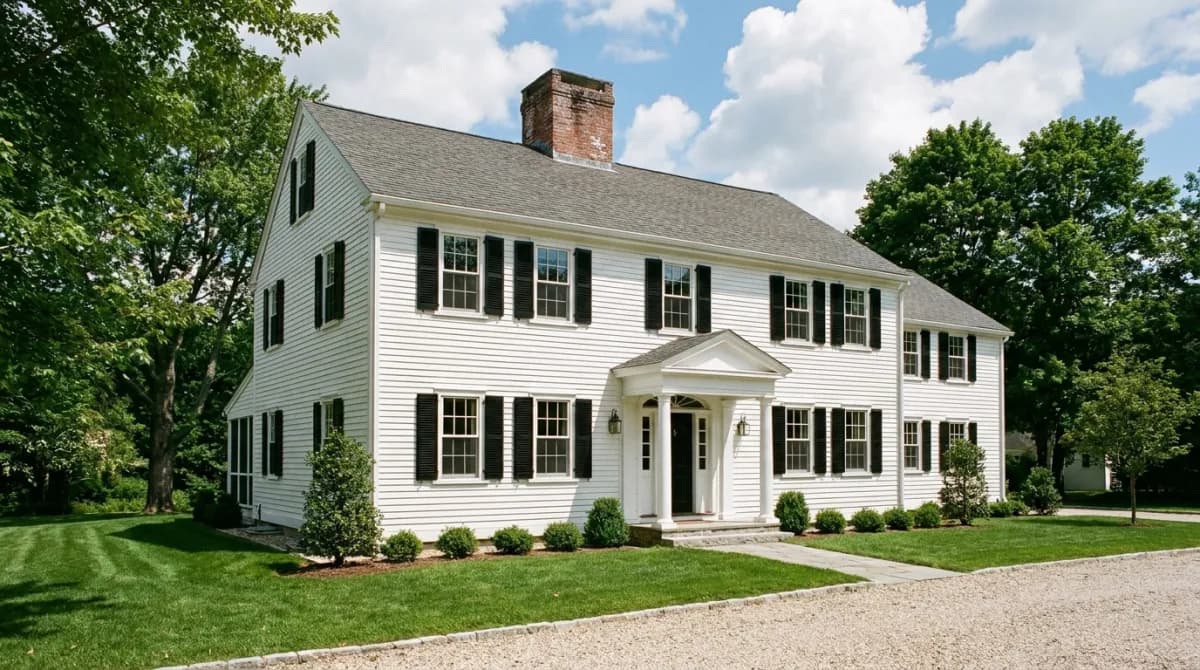
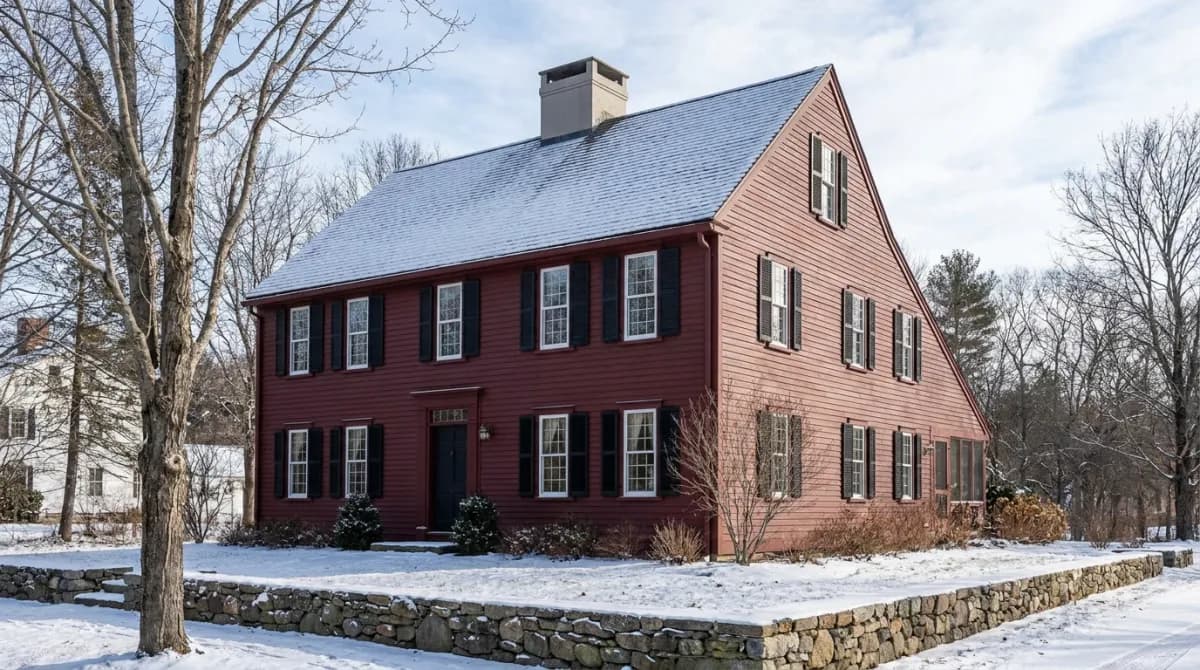
Wood is the real culprit here. It swells when wet and shrinks when dry, and our region puts it through that cycle dozens of times each winter. Paint that cannot flex with the wood simply cracks. Then water gets behind the film, freezes, and lifts it. We see this constantly on the Victorian, clapboard, colonial, and farmhouse housing stock across Windham County.
In our experience, the homes that hold up best are not the ones with the most expensive paint. They are the ones where someone took the time to fix the moisture problem first. That is the whole game with exterior painting up here.
What Prep Steps Actually Make Paint Last?
Proper prep is the difference between a finish that lasts and one that fails by the third winter. The steps that matter most are washing, scraping bare wood to a firm edge, spot-priming, recaulking, and repairing failed glazing. None of these are glamorous, but each one closes a path that water uses to destroy the coating.
Washing and surface cleaning
Everything starts with a clean surface. We wash off dirt, chalky old paint, mildew, and pollen, because paint will not bond to any of it. Mildew is especially common on shaded north faces and near water. If you paint over it, it grows right through the new coat. We let the surface dry fully before moving on.
Scraping to a firm edge
This is where shortcuts show up later. We scrape every loose and flaking area back to a firm, sound edge, then feather-sand the transition so it disappears under the topcoat. Leaving loose paint in place guarantees failure, the new coat is only as strong as what sits beneath it. Honest scraping is slow, and that slowness is exactly what a cheap quote skips.
Spot-priming bare wood
Every patch of bare wood we expose gets primed. We favor a penetrating primer that soaks into the grain and gives the topcoat something to grip. Bare wood left unprimed drinks up the topcoat unevenly and lets moisture in from behind. Spot-priming is a small step that quietly carries a lot of the durability load.
How Do We Stop Moisture Before It Starts?
We stop moisture by sealing the joints paint cannot protect and fixing the water sources around the house. This means recaulking open seams, repairing failed glazing on older sash, and correcting drainage problems at gutters and grade. Paint is the last layer of defense, not the only one, and ignoring the water source means even great paint fails.
Recaulking open joints
Open joints around trim, corner boards, and window casings are direct entry points for water. We dig out failed, cracked caulk and replace it with a quality flexible exterior sealant that moves with the wood. On the tight clapboard and trim details common in exterior painting in Woodstock, this step alone prevents a surprising amount of rot.
Repairing failed glazing on old sash
Many homes here still have original wood sash windows. The glazing putty that holds and seals the glass dries out, cracks, and falls away over decades. We re-glaze and prime those areas so the sash sheds water instead of soaking it up. Skipping this is why so many old windows rot from the bottom rail up.
Fixing gutters and grade
We have lost count of the exterior jobs where the real problem was a clogged gutter dumping water down one wall, or soil graded so it held moisture against the sill. We flag these before we paint. No coating survives a wall that stays wet. Fix the water, then paint, in that order.
What Paint Do We Use for Freeze-Thaw Movement?
For our climate, we use flexible 100% acrylic latex topcoats rated to expand and contract with seasonal movement. Acrylic stays elastic in cold temperatures where older oil-based films turn brittle and crack. Quality lines from manufacturers like benjaminmoore.com and sherwin-williams.com are built specifically for this kind of freeze-thaw stress.
Here is something most homeowners never hear: the "best" paint and the "cheapest" job often use the exact same can. The price difference is almost never the paint, it is the labor hours spent on prep. A contractor can buy premium acrylic and still hand you a two-winter failure if they skip the scraping and priming underneath it.
We also match the product to the surface. Bare or chalky areas, glossy old finishes, and raw wood each need the right primer and topcoat pairing. A properly prepped exterior in our area typically holds up well for many years, while a rushed one starts showing edges and peels by the second or third spring. You can see this on jobs around exterior painting in Killingly every season.
Why Do Cheap Exterior Quotes Fail in 2 to 3 Winters?
Cheap exterior quotes fail fast because the savings come entirely from skipped prep. To hit a low number, a crew washes lightly, scrapes only the worst spots, skips spot-priming, and ignores caulk and glazing. The job looks fine on day one. Then the first hard freeze-thaw cycle finds every shortcut they took.
The math is simple and worth understanding. Prep is the most time-consuming part of any exterior, often more hours than the painting itself. When one quote is dramatically lower than the others, the difference is rarely the paint, it is the labor that was quietly removed. You pay less now and repaint years sooner.
We would rather give an honest number that reflects real prep than win a job we know will peel. That is the standard we hold across every project, from exterior painting in Plainfield to the older homes in town. Good prep is not a place to save money. It is the entire reason the paint lasts.
Frequently Asked Questions
How long should a good exterior paint job last in northeastern CT?
A well-prepped exterior in our area typically holds up well for many years before needing attention, in our experience. Wood siding and trim usually need recoating sooner than vinyl or fiber cement. The single biggest factor is not the paint brand, it is how thoroughly the surface was prepped and sealed before painting.
Can you paint over peeling paint to save money?
No, and any quote that does this is setting you up to fail. New paint bonds only to a sound surface. Painting over loose, flaking paint means the new coat lifts along with the old one at the next freeze-thaw cycle. Scraping back to a firm edge is non-negotiable for a finish that lasts.
Is oil-based or acrylic paint better for our winters?
Flexible 100% acrylic latex is the better choice for freeze-thaw climates like ours. Acrylic stays elastic in the cold and moves with the wood. Older oil-based films get brittle over time and crack when the wood swells and shrinks, letting moisture in behind the coating where it does the most damage.
Why does my old house keep peeling no matter how often I repaint?
Repeat peeling almost always points to a moisture source nobody fixed. Common culprits are clogged gutters, poor grade drainage, failed window glazing, or open caulk joints. Until the water is stopped, every new coat fails the same way. Fixing the source before painting is the only real solution.
The Bottom Line
Surviving a Windham County winter is decided long before the topcoat goes on. Wash thoroughly, scrape to a firm edge, spot-prime bare wood, recaulk open joints, repair old glazing, and fix the gutters and grade that feed moisture into the wall. Then apply a flexible acrylic built for freeze-thaw movement.
The hard truth is that prep, not paint, determines whether a finish lasts. A low quote that skips these steps will look great for one season and peel by the third. We would rather do it right once. If you want an honest assessment of your home and a quote that lists the prep in plain language, we are glad to walk the property with you.