Exterior Paint Colors for New England Colonials, Capes & Farmhouses
Choosing an exterior color in Northeastern Connecticut means working with three things at once: the home's architectural style, the way New England light shifts through the seasons, and the quiet expectations of a historic neighborhood. Get those three in tune and a Colonial, Cape, or farmhouse looks like it has always belonged on its lot. This guide walks through palettes that suit each classic style across Putnam, Woodstock, Pomfret, and Brooklyn, and shares the accent strategy we lean on most.
Key Takeaways
- Colonials shine in crisp whites or warm grays with navy or black shutters.
- Capes wear historic greens and soft neutrals beautifully; keep contrast gentle.
- Farmhouses suit barn reds, weathered grays, and creamy off-whites.
- New England light reads cooler in winter, so always test colors on the actual wall.
- Roseland Cottage in Woodstock proves bold historic color can age gracefully.
What exterior colors work best for New England Colonials?
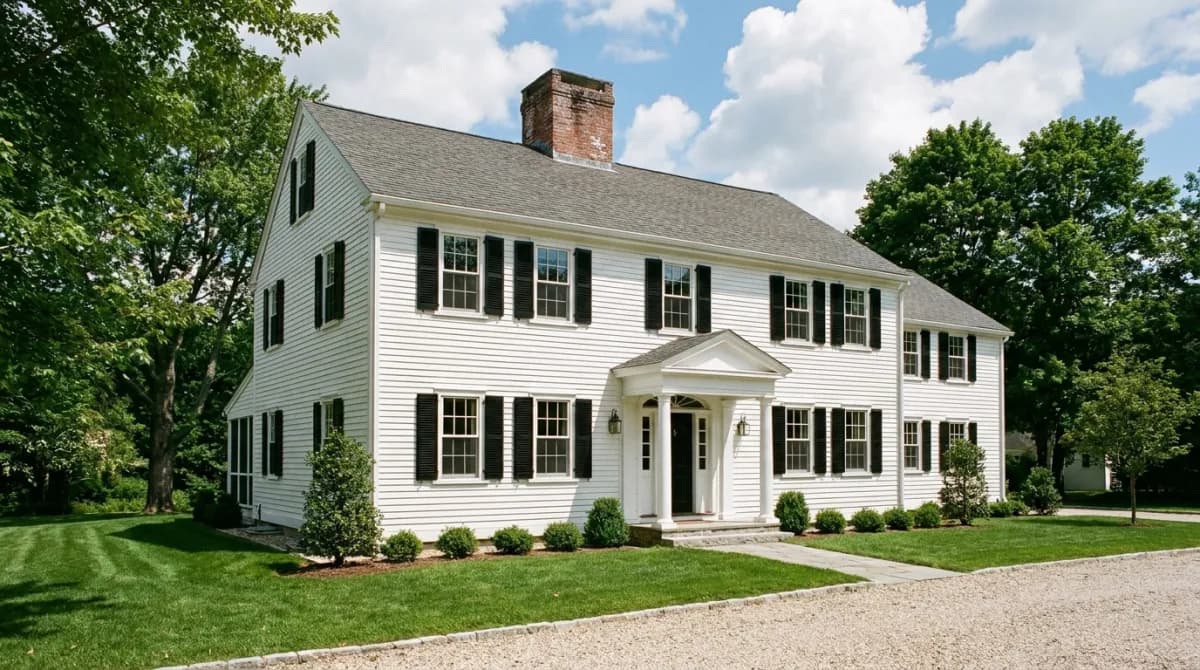
Colonials look most at home in a restrained, symmetrical palette: a clean white or warm gray body paired with dark, defined shutters. The architecture is formal and balanced, so the color should reinforce that order rather than fight it. Think timeless contrast, not trendy drama.
For the body, Benjamin Moore White Dove and Simply White read soft and warm without going stark. If you want depth, a mid-gray like Chelsea Gray or the popular greige Revere Pewter grounds the house without darkening it. Shutters and the front door carry the contrast. Hale Navy and Tricorn Black are the two we reach for again and again, both available through benjaminmoore.com and sherwin-williams.com respectively.
On Putnam's older Colonials, we've found a near-black like Sherwin-Williams Naval often photographs as black but keeps a hint of life in low winter sun, which avoids the flat, cut-out look pure black can take on against snow.
A reliable Colonial formula looks like this:
- Body: warm white or warm gray
- Trim: bright white, slightly lighter than the body if the body is gray
- Shutters and door: navy, charcoal, or near-black
- Optional: a muted brass or oil-rubbed bronze hardware tone to warm the entry
If you're planning a full repaint, our exterior painting crews can mock up these pairings before a single gallon goes on the siding.
How do you pick paint colors for a Cape Cod home?
Cape Cod homes call for gentler contrast and warmer, more historic hues than a formal Colonial. The low, cozy profile of a Cape feels best in soft neutrals and the heritage greens that have defined New England villages for two centuries. Sharp black-and-white schemes can feel too severe on this humble, grounded style.
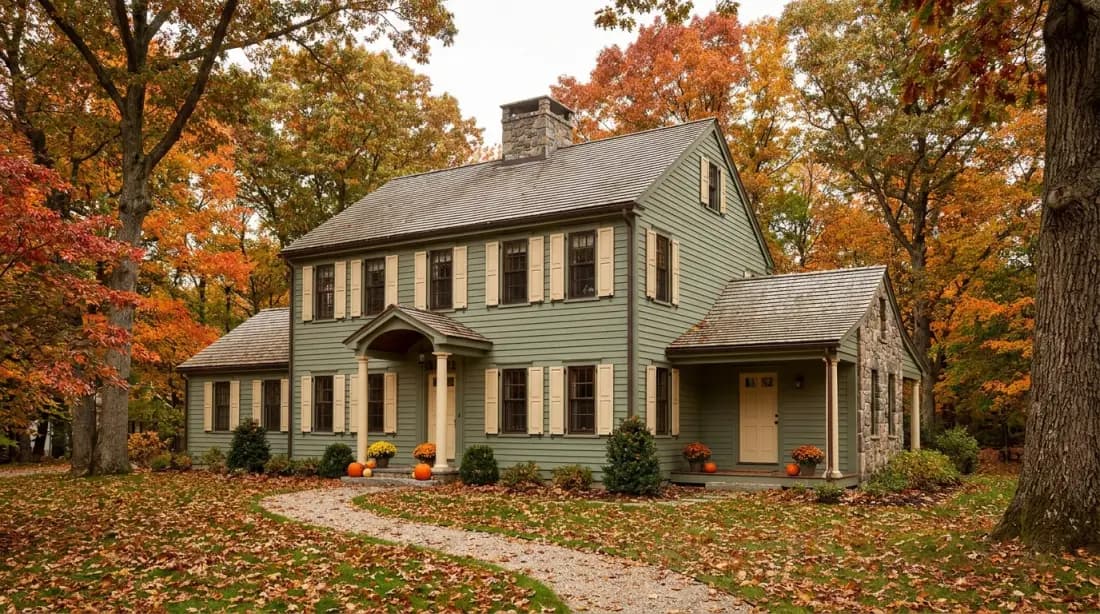
Warm body colors do the heavy lifting. A creamy off-white, a soft buttery yellow, or a putty-toned beige all suit a Cape's modest scale. For something with more character, historic sage and forest greens are classic; many were drawn straight from period color decks. Pair a green body with cream trim and a deeper green or barn-red door for a look that feels rooted in the region.
We've noticed that Capes around Pomfret and Brooklyn often sit under mature trees, which casts a green-tinted shade across the siding for much of the day. A cooler gray can turn faintly drab in that light, so we steer those homeowners toward warmer neutrals that hold their tone.
Shutters on a Cape should whisper, not shout. A green or charcoal one or two shades off the body keeps the contrast comfortable. For homeowners in the area, our exterior painting in Pomfret work leans heavily on these softer heritage palettes.
What colors suit a New England farmhouse?
Farmhouses earn the most freedom of the three styles, and they reward honest, working colors: barn-inspired reds, weathered grays, and warm creamy whites. The aesthetic is rural and unfussy, so the palette can be either pure-white-and-simple or richly colored in a way a formal Colonial never could.
The all-white farmhouse remains a favorite for good reason. A warm white body with white trim and black windows or a black door reads fresh yet timeless. If you want color, a classic barn red on an outbuilding or front door adds farm character without overwhelming the main house. Weathered, slightly green-leaning grays also suit the look, echoing aged cedar and old fence posts.
Roseland Cottage in Woodstock, the famous pink Gothic Revival, is worth a drive before you commit to anything. It proves that bold, period-correct color can look intentional and beautiful a century and a half later. The lesson is not to paint pink; it is that a confident, historically grounded choice ages far better than a timid compromise.
A farmhouse palette we return to often:
1. Body: warm white or soft weathered gray
Homeowners restoring older farm properties can see our approach through exterior painting in Woodstock.
How does New England light affect exterior color choices?
New England light is the variable most people forget, and it changes a color more than the swatch ever suggests. Our region swings from bright, warm summer sun to flat, cool, gray-blue winter light, and snow reflects a cold cast upward onto siding for months. A color must look right in both extremes, not just on a sunny showroom day.
Cool grays and blues intensify under winter light and can drift toward steel or even purple. Warm whites and greiges, by contrast, stay friendly across the seasons. North-facing walls receive cooler, indirect light all year, so a color there will always read a shade cooler than the same paint on a sunny south wall.
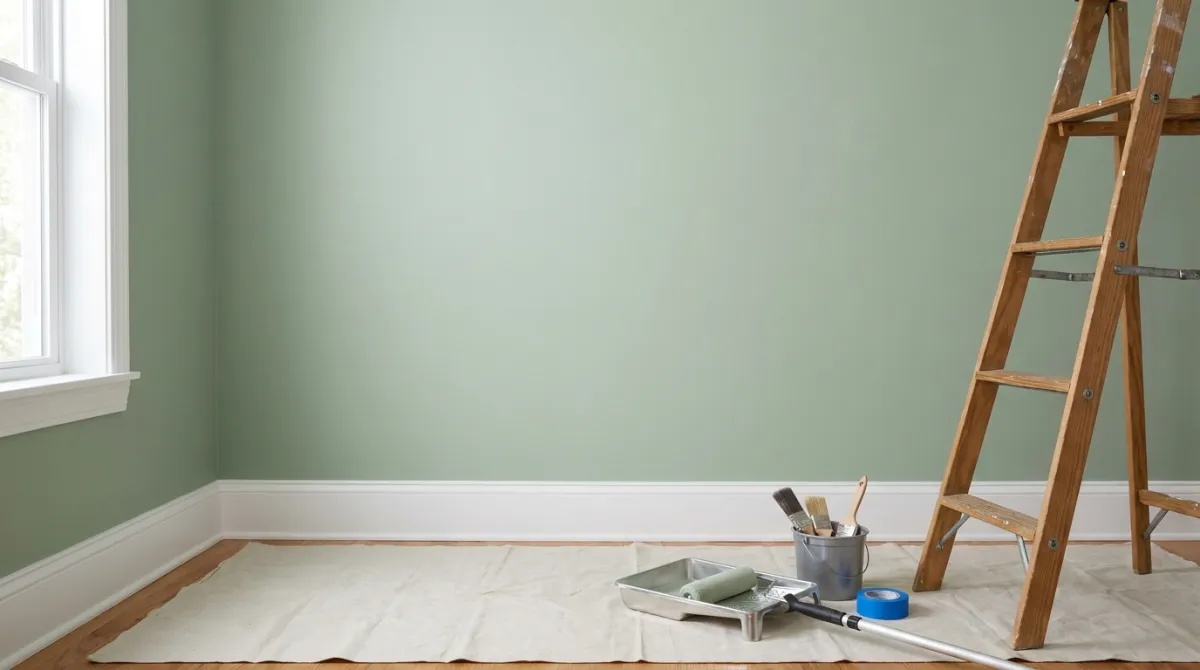
This is exactly why on-site testing matters. We always recommend brushing large samples, not the tiny chips, onto two or three sides of the actual house and living with them for a few days. Watch them at morning, midday, and dusk. The same approach pays off indoors too, which is why our interior painting process starts the same way.
What about historic districts and trim strategy?
Historic-district homes near Downtown Putnam and the Brooklyn Town Green often come with informal community expectations or formal review guidelines, so it pays to check before choosing. Period-appropriate palettes, balanced trim, and restrained accents keep a streetscape coherent and protect a property's character and value.
Trim is where a paint job earns its polish. A clean strategy uses three roles: the body color, a trim color for casings and corner boards, and an accent for shutters and the door. Keeping trim slightly brighter than the body sharpens the architecture, while a single confident accent gives the eye somewhere to land. Resist adding a fourth or fifth color; restraint is what makes historic homes look composed.
For homeowners on the Putnam side, our exterior painting in Putnam jobs start with a walk-around to flag any district considerations before colors are finalized.
Frequently Asked Questions
Should exterior trim be lighter or darker than the body?
Trim usually looks best slightly lighter and brighter than the body, especially on grays and greens, because it crisply outlines the architecture. On a white or off-white house, a tone-on-tone soft white trim adds subtle dimension. The shutters and door then carry the darkest accent for balanced contrast.
Is black or navy better for Colonial shutters?
Both work; the choice depends on your body color and the light. Navy like Hale Navy adds warmth and reads a touch softer, suiting warm-white and gray homes. Black or near-black like Tricorn Black or Naval gives sharper, more formal contrast. In bright snow, a near-black often looks better than a flat true black.
How many sample colors should I test before painting?
Test two to three finalists, brushed in large patches on different sides of the house. Tiny store chips mislead because they ignore your siding texture and the home's specific light. Live with the samples for several days, checking them morning and evening, before committing to a full exterior project.
Can I use bright color on a historic New England home?
Yes, if the color is period-appropriate and applied with restraint. Roseland Cottage in Woodstock shows that bold historic color can look intentional and timeless. The key is choosing a hue documented to the home's era and keeping trim and accents disciplined, rather than mixing modern bright tones onto a traditional facade.
Bringing it all together
The best exterior color honors the house first. Let a Colonial stay crisp and symmetrical, let a Cape lean warm and historic, and let a farmhouse work in honest reds, grays, and creams. Then read your own light, brush large samples on the actual walls, and check any historic-district expectations before you commit. A confident, well-tested palette will look right the day it dries and years from now.
If you're weighing colors for a Colonial, Cape, or farmhouse in Putnam, Woodstock, Pomfret, or Brooklyn, the next step is simple: test a few finalists on your own siding and see how they live in real New England light before scheduling the work.